Table Of Content

They retrospectively reviewed a defined cohort for cases with and without neonatal tetanus.9 They found a strong association of the application of ghee (clarified butter) as a risk factor for neonatal tetanus. Although this suggests a causal relationship, cause cannot be proven by this methodology (Figure 3). The purpose of sample size calculation is to determine the number of patients needed to enroll in the study to provide sufficient information to address the primary objectives.
Unlocking The Power Of Social Data For Clinical Trial Design - Forbes
Unlocking The Power Of Social Data For Clinical Trial Design.
Posted: Thu, 22 Feb 2024 08:00:00 GMT [source]
Code, Data and Media Associated with this Article
Progressive trial phases require higher levels of evidence and sophistication, depending on the preliminary data and research question. While conducting trials in progressive phases increases trial challenges and short-term costs, this method is important to enhance safety and decrease long-term costs. In fact, late trials (e.g. phase III trials), which have a large number of subjects and are more costly, must have a strong signal from early less costly clinical trials in order to enhance chances of success. The course will explain the basic principles for design of randomized clinical trials and how they should be reported.
Bispecific CAR T cell therapy targeting BCMA and CD19 in relapsed/refractory multiple myeloma: a phase I/II trial
Historical controls are obtained from studies that have already been conducted and are often published in the medical literature. The data for such controls is external to the trial being designed and will be compared with data collected in the trial being designed. The advantage of using historical controls is that the current trial will require fewer participants and thus use of historical controls provides an attractive option from a cost and efficiency perspective. Historical controls are rarely used in clinical trials for drug development due to the concerns for bias.
Build your subject-matter expertise
In this article, we present some general design principles for investigators and their research teams to consider when planning to conduct a trial. Safety is defined by how much an intervention increases patients’ risks of having adverse events (especially serious ones such as death or hospitalization). A solid understanding of the literature and putative mechanisms of action leads to an enhanced appraisal of the intervention’s safety and probable future adverse events. Lacking mechanistic data leads to an increased risk of unexpected results even if the trial design eliminated all or most sources of bias. In fact, a limited understanding of the disease process is often highlighted by an abundance of negative trials, e.g. in PLP.
Autologous HER2-specific CAR T cells after lymphodepletion for advanced sarcoma: a phase 1 trial
Advances in statistical software and computing power continue to allow for increasingly more complex study designs and analytical techniques, and researchers should take best advantage of these advances. There is a concern regarding acceptability of evidence generated by alternative trial designs by regulatory authorities and peer reviewers. It is imperative to understand that same research question may be tackled through alternative designs and that there is no definitive trial design for every research question. The time frame, logistics involved, and availability of study subjects are key to selection. Factors, such as objective of the trial, number of patients needed, length of trial, and how the variability is handled, could be important in the choice of the most suitable trial design.
Clinical Trials: Design, Strategy, and Analysis
Ideally endpoints could be measured objectively (e.g., via a laboratory test) however many endpoints are based on subjective evaluation. Variation in these diagnoses can be minimized with clear definitions and consistent evaluations. Issues in trial conduct and analyses should be anticipated during trial design and thoughtfully addressed. After eliminating or significantly decreasing potential biases, the investigator still needs to design a strong trial with a high likelihood of confirming the main hypothesis. The strength of a trial will be based on the previous clinical and mechanistic evidence supporting its design.
Clinical research study designs: The essentials
Note however that the fact that trial participants in neither intervention arm adhere to therapy may indicate that the two interventions do not differ with respect to the strategy of applying the intervention (i.e., making a decision to treat a patient). Researchers need to be careful about influencing participant adherence since the goal of the trial may be to evaluate the strategy of how the interventions will work in practice (which may not include incentives to motivate patients similar to that used in the trial). The selection of a population can depend on the trial phase since different phases have different objectives. Early phase trials tend to select populations that are more homogenous since it is easier to reduce response variation and thus isolate effects. Later phase trials tend to target more heterogeneous populations since it is desirable to have the results of such trials to be generalizable to the population in which the intervention will be utilized in practice.
Principles of designing a clinical trial: optimizing chances of trial success
Clinical trialists often use the terms “single-blind” to indicate blinding of study participants, “double-blind” to indicate blinding of study participants and investigators, and “triple-blind” to indicate blinding of participants, investigators, and the sponsor and assessors. Community trials are also known as cluster‐randomized trials, involve groups of individuals with and without disease who are assigned to different intervention/experiment groups. One-year efficacy results for the first patient in cohort 2 showed a positive clinical evolution, with a clear inflection of clinical score North Star Ambulatory Assessment (NSAA). Other functions assessed (10 Meter Walk Test and ability to stand up) also showed a positive trend. About HB-200HB-200 is HOOKIPA’s lead oncology candidate engineered with the company’s proprietary replicating arenaviral vector platform.
How to overcome rare disease clinical trial challenges? - Labiotech.eu
How to overcome rare disease clinical trial challenges?.
Posted: Tue, 23 Apr 2024 08:02:14 GMT [source]
The last component: maximizing benefits from the information collected from a valid trial
Thus, it is important that to maximize the chances that the trial will be Feasible, Interesting, Novel, Ethical and especially Relevant (FINER criteria). The mission of The Johns Hopkins University is to educate its students and cultivate their capacity for life-long learning, to foster independent and original research, and to bring the benefits of discovery to the world. This week, we focus on whether RCTs are still the gold standard for evaluating evidence.
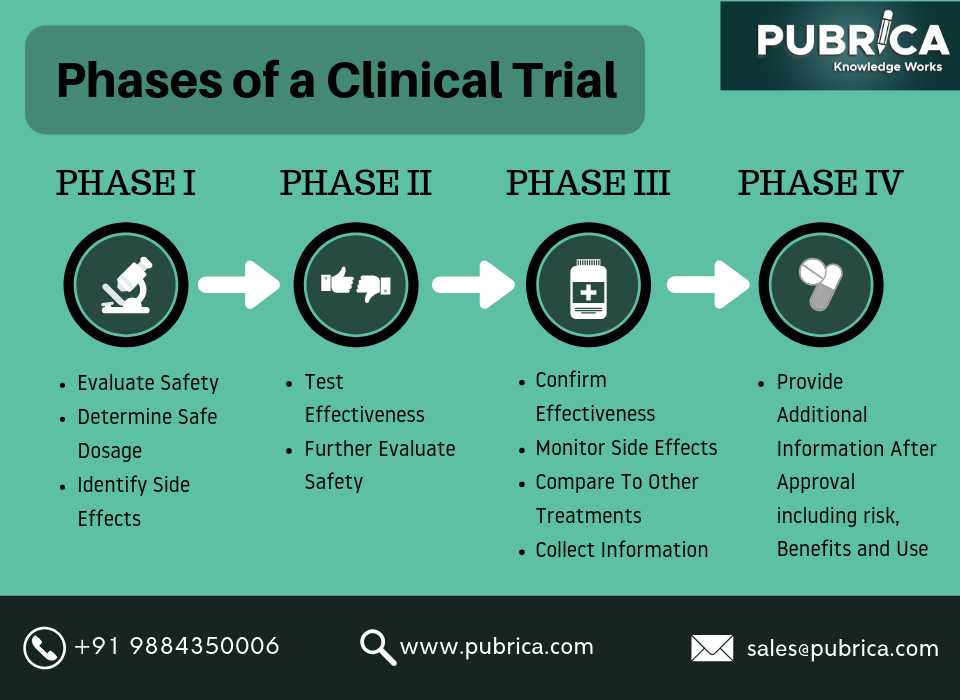
Significant progress has been made in kidney transplantation, with one-year graft survival nearing 95% [1]. However, long-term allograft survival remains suboptimal, with a 10-year overall graft survival rate of only 53.6% for deceased donor transplant recipients [2]. This review aims to discuss opportunities for improving retrospective and prospective studies of ABMR, focusing on addressing heterogeneity, outcome measurement, and strategies to enhance patient enrollment to inform study design, data collection, and reporting. Early phases of clinical studies include pilot studies, phase I, phase II single arm, and proof of concept. Later phases of clinical studies include randomized phase II, phase II/III, and phase III trials.
It is important to actively anticipate major challenges and ways to deal with them while still in the design phase. The impact of improving medical knowledge is conditional on this knowledge changing clinical practice. Thus, surrogate outcomes should not stand alone but be clinically validated, and clinical outcomes should reach the minimum clinically important difference. Eventually, study outcomes should lead to cures and treatments for previously untreatable conditions, improved therapeutic options for different patient subgroups, more efficient or less costly healthcare delivery, or similarly meaningful improvements to healthcare. Randomization should balance known and unknown factors between intervention groups (41), such that different results can be causally attributed to the intervention rather than to confounders. To maintain this balance, all randomized subjects should be analyzed (intention-to-treat analysis).