Table of Content
Most recently, Google released the Nest Hub Max, putting Google Assistant in a 10-inch smart display. It's the first product to come out under the converged brand name of Google and smart home security brand Nest. Having said that, Alexa tends to be better when it comes to support for a wider range of devices, as well as better smart home integration. So if you have a lot of smart home devices already, Alexa might be your best bet.

For example, if you ask for a reminder to get eggs at Walmart, the smart assistant will ask which store you want to use and give you a reminder on your smartphone when you get there. Want to make reservations at a restaurant or order food for pickup? This is possible too, though you might have to set up a preferred service like Grubhub or DoorDash. You can add as many locations as you like by using the settings menu in the Alexa app.
Best at answering questions: Google Assistant
Enable your customers make candied online connections with our ondemand dating app solutions. Since its third generation, there is a version with a built-in digital clock, making it ideal to be placed on the bedside table. We review products independently, but we may earn affiliate commissions from buying links on this page.

Because of this head start, Alexa supports more smart home devices than Google. Still, most major smart home device makers like Philips Hue and Samsung SmartThings support both. Most innovative products are compatible with both platforms and integrate seamlessly with routines and voice commands. It still helps you manage your smart devices, turn the TV on and off, or remotely control your PC. The possibilities with Alexa are practically unlimited, while with the Google assistant, the options fall short. This gives a similar level of smart device control as with the Alexa app, letting you toggle lights or control a smart thermostat.
Taxi App Development
You have the option to name the routine, set a trigger condition ("When this happens"), and set an action dictating how Alexa reacts to that action ("Add action"). The original Home is the main product, which competes against the Echo in terms features and price (£89). Then, there’s theGoogle Nest Mini (£50), which competes with the Echo Dot and is cheap enough to spread throughout your home. This product doesn’t have any audio outputs, so you can’t connect it easily to an external hi-fi system.
A Statista report shows that Alexa is compatible with around 100,000 smart home devices. Voice assistants are an integral part of what makes a smart home system exciting to use. How smart your home can get hinges on the ability of the voice assistant that runs it. Google Nest devices also have on-board switches to fully turn off mics for privacy reasons. You can also disable saving any Google Assistant voice commands to your account and delete your audio recordings automatically, similar to what Alexa offers.
Basic compatibility: It's a draw
Then Google Home is probably for you, as the two areas are only going to become ever-more-closely linked. Google's natural language understanding is superior too, even if its voice implementation still needs some refinement. Keep in mind that, with both Alexa and Google Assistant, third-party speaker manufacturers are increasingly choosing to integrate the voice helpers into their own products. With Google Assistant, your Google Home can control your Philips Hue lightbulbs, Honeywell thermostat, Nest security camera, and smart TV (as long as it's compatible). Check out our roundup of things Google Assistant can do for more info, or head to the Google Assistant partners page for all the brands Google Home can work with.
Using different speakers in different places is a good strategy for using both Alexa and Google Home devices. However, Alexa lets you do a lot more with these devices as opposed to Assistant. Alexa turns smart lights on immediately, hearing a window breaking or a fire alarm, for instance. Moreover, Incorporate the top Voice assistants into your homes and offices, and business enterprises too.
Budget smart speakers are at the heart of Google's fight for dominance as the best smart home system. With smart speakers like the Nest Mini and Home Mini, Google keeps the entry barrier for adopting the Google Home ecosystem as low as possible. This ensures that each user accessing an Alexa unit can get a uniquely tuned smart home experience. However, Nest speakers don’t have any security services like Alexa Guard.

The discontinued Google Home Max was easily the loudest first-party smart speaker out there, but it's no longer available. Like a larger version of the Google Home Hub, the Nest Hub Max is big-screen smart display for your home, with a front-facing camera for video calls and the facility to check on your home remotely. Now in its third generation, the Echo Dot doesn't have the best audio quality in the range, so it's best suited for rooms where music playback won’t be its primary function. That said, you can pair it up with a Bluetooth speaker or another audio device using an AUX jack connection, making it a cost-effective upgrade you can make to any aging Hi-Fi system. While looking through Alexa's video skills, we didn't find native support for as many popular streaming services if you're using an Echo Show. It seems the best way to watch other services using Alexa is to get a Fire TV streaming device for your TV, which offers more streaming integrations than Google.
It is the poorest of the trio with support for around 450 smart devices in contrast to Alexa's and Google Home's thousands. However, HomeKit supports some popular smart home devices you'll most likely need. With the budget options, you might not get the best in bass and sound quality, but it isn't any less smart. Google's Home ecosystem is backed by a vast array of Google-branded smart devices.
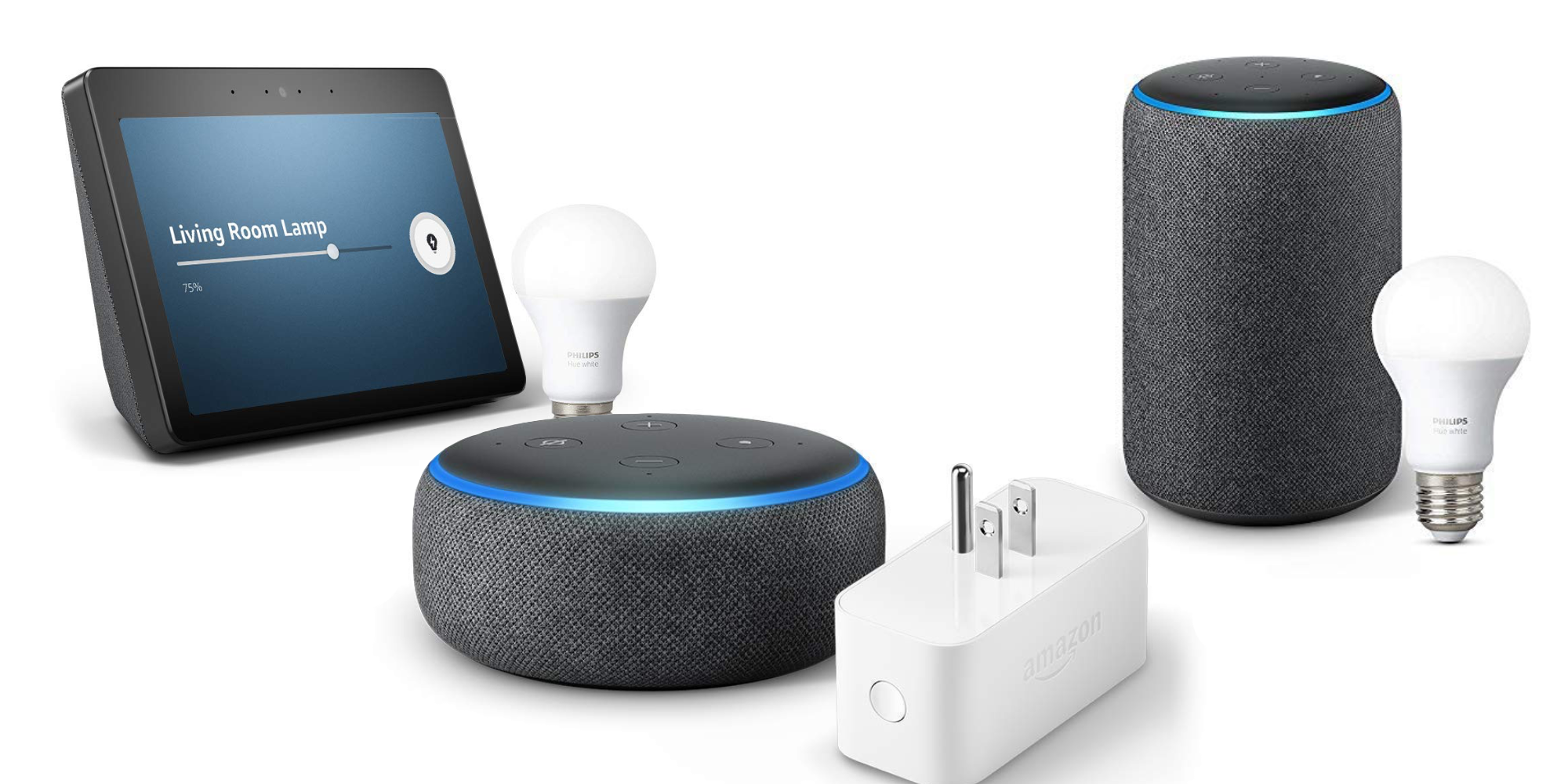
We also expect our journalists to follow clear ethical standards in their work. Our staff members must strive for honesty and accuracy in everything they do. We follow the IPSO Editors’ code of practice to underpin these standards. And, when Alexa can’t do something, there’s an app store full of Skills that let you expand capabilities far beyond what Google Home can do. There’s everything from tube status updates to bedtime stories in the mix. The power of Google means that you can ask for directions or traffic reports to anywhere, with the results being pulled from Google Maps.
Alexa and Google Home each support up to six user accounts, though Google handles its accounts much better than Alexa. For Google, you can add anyone to your home for free as long as they have a Google account. This includes supervised accounts that you create for children using Google Family Link. Both brands have location-based reminders where you can get a reminder upon arriving home, to work, or custom location.




No comments:
Post a Comment